How to Plan Weekly Sunday Meal Prep for Busy Working Professionals
Published Date:

Coming home tired after a long day at the office makes cooking a healthy, balanced dinner feel like a monumental chore. This fatigue often triggers expensive, unhealthy delivery orders or relying on heavily processed microwave meals. The most effective way to break this cycle, save hundreds of dollars a month, and claw back precious evening hours during the workweek is weekly meal prep. By dedicating a focused window of time on Sunday, you transform your busy week from chaotic to completely controlled.
Why Sunday Meal Prep is a Game Changer
Cooking a fresh meal from scratch every single evening requires deciding what to eat, prepping the ingredients, actively cooking, and finally doing a mountain of dishes. When you multiply this by five weekdays, it becomes a massive drain on your mental and physical energy. Decision fatigue is the main reason diets fail and grocery budgets are blown.
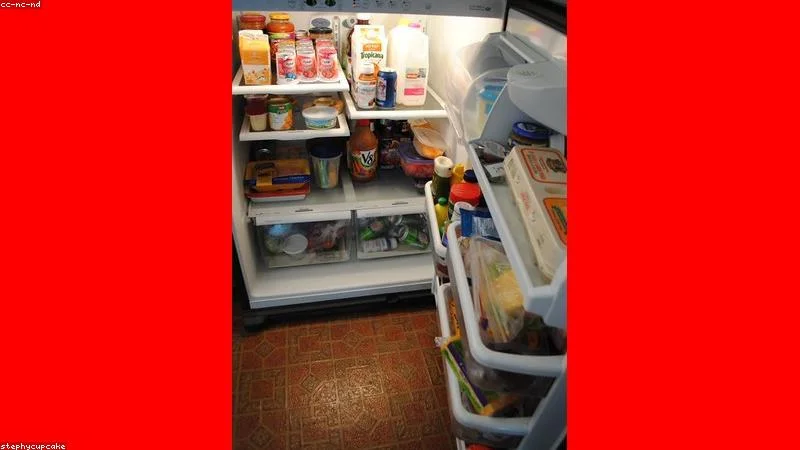
Sunday meal prep eliminates the daily guesswork. When you open your perfectly organized refrigerator on a Tuesday evening and see a healthy, portioned meal waiting for you, you bypass the friction of cooking. You also dramatically reduce food waste because you are buying exactly what you need for a specific plan, rather than aspirational groceries that end up rotting in the crisper drawer. While the idea of spending hours in the kitchen on a Sunday might sound intimidating, an efficient system can easily condense the entire process into just two to three hours.
Step-by-Step Solution: Your Sunday Meal Prep Routine
The key to successful meal prep is working like a professional kitchen line cook. Here are the core steps compiled by our zero-waste kitchen assistant Tarif, designed to simplify your Sunday routine.
Step 1: Inventory and Menu Planning
Never go to the grocery store without a plan. Start by taking a thorough inventory of what you already have in your pantry, fridge, and freezer. Design your weekly menu around these existing items to minimize your grocery bill. Select 2-3 versatile recipes for the week rather than cooking five completely different elaborate meals. For example, if you are roasting a large batch of chicken, plan to use half of it over quinoa bowls for lunch, and the other half in a stir-fry for dinner.
Step 2: Strategic Grocery Shopping
Once your menu is set, create a categorized grocery list organized by supermarket aisles (produce, dairy, meat, dry goods). This prevents you from wandering aimlessly and impulse buying. When you return home from the store, do not put everything away immediately. Leave the ingredients you plan to prep on the counter. This creates momentum: you are already in the kitchen, so you might as well start chopping.
Step 3: Efficient Cooking and Chopping
The secret to cooking fast is multitasking. Start with the items that take the longest. If you are roasting vegetables or baking potatoes, get those in the oven first. While they cook, move on to grains like rice or quinoa on the stovetop. While the oven and stove are doing the heavy lifting, use that downtime to chop fresh vegetables for salads or snacks, and mix any dressings or sauces you will need for the week. Save all your vegetable peelings and ends in a freezer bag; you can use them later to make vegetable broth from scraps.
Step 4: Portioning and Storage
Once everything is cooked and slightly cooled, it is time to assemble. Choose your meal prep style:
- Fully Portioned Meals: Divide entire meals into single-serving containers. During the week, grab, reheat, and eat.
- Buffet Style (Batch Cooking): Store the cooked components (a large container of rice, a container of roasted chicken, a container of broccoli) separately. Mix and match them into bowls or wraps as the week progresses.
- Prepped Raw Ingredients: If you prefer freshly cooked dinners, simply chop all your vegetables and marinate your proteins on Sunday, so weeknight cooking takes only 15 minutes.
Building a Balanced Prep Plate
A successful prepped meal should keep you full and energized, preventing the mid-afternoon energy crash. Ensure your containers cover the three major macronutrient groups in the right proportions.
- Lean Proteins (25% of the plate): Baked chicken breast, hard-boiled eggs, roasted tofu, turkey meatballs, or slow-cooked pulled pork. Protein is essential for satiety and muscle repair.
- Complex Carbohydrates (25% of the plate): Quinoa, brown rice, whole wheat pasta, or roasted sweet potatoes. These provide slow-releasing energy throughout the workday.
- Colorful Vegetables (50% of the plate): Steamed broccoli, roasted carrots, bell peppers, fresh spinach, or zucchini. Vegetables provide the necessary fiber and micronutrients to keep your digestion on track.
Don’t forget healthy fats! A drizzle of olive oil, a sprinkle of nuts or seeds, or a slice of avocado added right before eating will help your body absorb fat-soluble vitamins from the vegetables.
Prevention: Avoiding Common Meal Prep Burnout
The biggest hurdle for beginners is “meal prep burnout,” which happens when you cook the exact same meal for five days straight and become overwhelmingly bored of it by Wednesday. To prevent this, rely on versatile base ingredients and change the flavor profile with different sauces. A base of rice, chicken, and broccoli can be a Mexican burrito bowl on Monday (add salsa and black beans), a Thai curry on Tuesday (add peanut sauce), and a Mediterranean plate on Wednesday (add tzatziki and olives).
Another burnout risk is prepping too much food that eventually goes bad. Always store prepped meals in airtight glass containers, which are microwave-safe and do not retain odors. The golden rule for food safety is that most cooked proteins and vegetables last 3 to 4 days in the refrigerator. If you are prepping meals for Thursday or Friday, put those portions directly into the freezer on Sunday. Simply move them to the fridge to thaw the night before you plan to eat them.
When to Seek More Help or Watch for Edge Cases
If you have specific dietary restrictions, such as celiac disease or severe food allergies, cross-contamination during a massive prep session is a real risk. Ensure you use separate cutting boards and utensils for allergen-free components. If you are prepping for a large family with wildly different tastes, batch cooking (buffet style) is generally much more successful than portioning out specific meals, as it allows picky eaters to assemble their own plates from the healthy components you have provided. For highly liquid meals like soups, remember that they expand when frozen, so always leave at least an inch of space at the top of the container to prevent cracked glass.
Quick Summary
- Plan a menu based on inventory to save money and prevent food waste.
- Cook in a strategic order: start with long-roasting oven items, then stovetop grains, then raw chopping.
- Choose a prep style that fits your life: fully portioned, buffet-style components, or just pre-chopped raw ingredients.
- Build balanced meals with 50% vegetables, 25% protein, and 25% complex carbohydrates.
- Use different sauces and spices on versatile base ingredients to prevent flavor burnout mid-week.
- Freeze meals meant for Thursday or Friday on Sunday to ensure they remain safe to eat.
Frequently Asked Questions
What are the best containers for meal prep?
Glass containers with airtight, snap-locking lids are the gold standard. They are microwave-safe, oven-safe, dishwasher-safe, and unlike plastic, they do not absorb food stains or odors over time. If glass is too heavy for commuting, opt for high-quality, BPA-free plastic containers, but avoid microwaving them when possible.
Can I meal prep salads without them getting soggy?
Yes. The secret to a crisp meal-prep salad is layering. Put the dressing at the very bottom of the container, followed by hard vegetables (carrots, cucumbers, bell peppers), then proteins or grains, and place the delicate leafy greens at the very top, completely away from the moisture. Shake the container right before eating.
How long does cooked chicken really last in the fridge?
According to food safety guidelines, cooked chicken should be consumed within 3 to 4 days when stored properly in an airtight container in the refrigerator (at or below 4°C/40°F). After 4 days, the risk of bacterial growth increases significantly, even if the chicken looks and smells fine.
Is meal prepping actually cheaper than cooking every night?
Yes, significantly. Meal prepping forces you to buy in bulk, reuse overlapping ingredients across multiple meals, and drastically cuts down on impulse grocery purchases and emergency takeout orders. A well-planned prep session ensures you use 100% of the groceries you buy.
Do I have to prep every single meal of the day?
Absolutely not. For beginners, trying to prep breakfast, lunch, and dinner is a recipe for overwhelm. Start by only prepping your lunches for the workweek, or only prepping three weeknight dinners. Once you master a small routine, you can scale up.
Plan Your Weekly Menu Effortlessly with Tarif!
Struggling to decide what to cook and what to buy for the week? Download the Tarif app. Use Tarif’s weekly meal planner to design balanced menus matching your dietary goals and fridge inventory, automatically generating your optimized shopping list. Download Tarif App Now and master your meal prep!