How to Organize a Refrigerator to Keep Food Fresh Longer and Prevent Waste
Published Date:

One of the biggest leaks in our household budget is the food we buy, forget in the back of the fridge, and eventually throw away. Preventing food waste and keeping produce fresh longer starts with proper refrigerator organization. Every shelf in your fridge has a different temperature and humidity profile, and every food type belongs in a specific zone. When you understand the microclimates inside your appliance, you can double the lifespan of your fresh groceries.
Why Refrigerator Organization Matters for Food Waste
The way you unpack your groceries directly dictates how long they will last. Modern refrigerators do not maintain a single uniform temperature from top to bottom. Warm air rises and cold air sinks, meaning the bottom shelf near the back is significantly colder than the top shelf near the door. The door itself is the most unstable zone because it is exposed to warm room air every time you open it to grab a snack or pour a drink.
When delicate leafy greens are placed in the wrong zone, they wilt or freeze. When dairy is kept in the door, it sours faster due to temperature fluctuations. Beyond temperature, the way items are stacked matters too. A disorganized fridge leads to “out of sight, out of mind” syndrome, where leftovers are pushed to the back, eventually turning into unidentifiable moldy containers. Proper organization isn’t just about making the shelves look nice. It’s a functional strategy to stop your grocery money from literally going into the garbage bin.
Step-by-Step Solution: The Ultimate Fridge Layout
Here are the organization secrets to keep your food fresh, compiled by our zero-waste kitchen assistant Tarif. Follow this zone-by-zone breakdown to ensure every item is stored in its ideal environment.
The Refrigerator Door (The Warmest Zone)
Because the door is constantly opening and closing, it experiences the most dramatic temperature shifts. This area should only be used for items that are highly resistant to spoiling.
- What goes here: Condiments, sauces, jams, jellies, juices, and water.
- What to avoid: Never store eggs or milk in the door. The fluctuating temperatures will cause milk to spoil days before its printed expiration date, and eggs lose their freshness rapidly when not kept at a stable, cold temperature.
Top and Middle Shelves (Consistent Temperature)
The upper shelves maintain a relatively stable temperature, making them perfect for items that do not require cooking or those that are meant to be consumed within a few days.
- What goes here: Leftovers, ready-to-eat foods, deli meats, packaged cheeses, yogurt, and snacks.
- Pro Tip: Keep these shelves uncluttered so cold air can circulate freely. Use clear, stackable containers for leftovers so you can easily see what needs to be eaten first. Storing your pantry essentials for quick meals properly complements this strategy, ensuring you always know what dry and fresh ingredients you have available.
Bottom Shelves (The Coldest Zone)
Cold air sinks to the bottom of the fridge, making the lowest shelf the coldest and most stable environment. This is critical for food safety and preventing cross-contamination.
- What goes here: Raw meat, poultry, and seafood.
- Pro Tip: Always store raw meats in a tray or a plastic bin on the very bottom shelf. If a package leaks, the juices will be contained in the bin rather than dripping down and contaminating the fresh produce or leftovers stored below. This simple habit prevents severe foodborne illnesses.
Crisper Drawers (Humidity Control)
Crisper drawers are designed to manage humidity levels, which is vital for fresh produce. Most modern refrigerators have adjustable vents on these drawers, allowing you to set them to “high humidity” or “low humidity.”
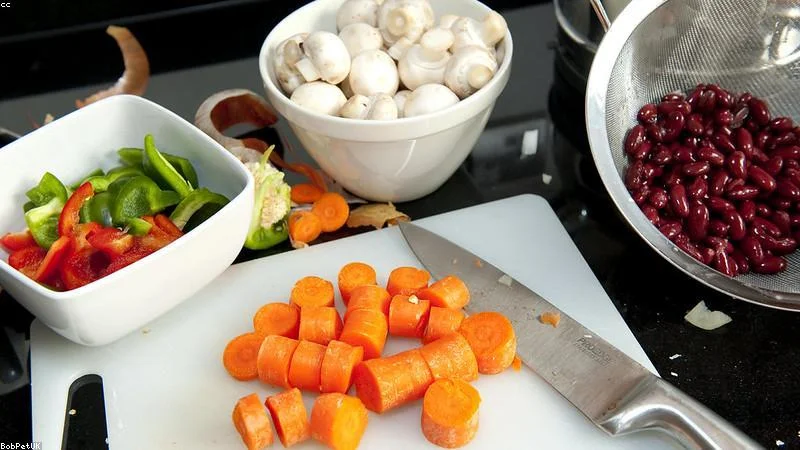
- High Humidity (Closed Vent): Protects vegetables that wilt easily by trapping moisture. Use this setting for leafy greens, spinach, arugula, carrots, broccoli, and herbs. Wrapping leafy greens in a damp paper towel can further extend their crispness.
- Low Humidity (Open Vent): Allows ethylene gas to escape, which is crucial for fruits that release this ripening hormone. Use this setting for apples, pears, peaches, avocados, and melons.
The Science of Ethylene Gas and Produce Storage
One of the most common mistakes people make is storing all their fruits and vegetables together in a single crisper drawer. Certain fruits, such as apples, bananas, peaches, and tomatoes, release a natural ripening hormone called ethylene gas. While this gas helps the fruit ripen, it acts as a death sentence for ethylene-sensitive vegetables.
When you place a bunch of spinach next to an apple, the ethylene gas will cause the spinach to yellow, wilt, and rot prematurely.
- The Rule of Thumb: Keep high-ethylene producers strictly separated from ethylene-sensitive items.
- Solution: Dedicate one crisper drawer entirely to fruits (low humidity) and the other exclusively to vegetables (high humidity). If you run out of drawer space, store your fruit in a breathable bag on a shelf, far away from your delicate greens.
Prevention: Routines to Maintain the System
Once your refrigerator is perfectly organized, the challenge becomes keeping it that way. Implement a weekly maintenance routine to ensure the system doesn’t collapse after a busy grocery shopping trip.
Apply the “First In, First Out” (FIFO) Principle
Restaurants use the FIFO method to manage inventory, and you should use it at home. When unpacking new groceries, always slide older items to the front of the shelf and place the new purchases in the back. This visually prompts you to use the older yogurt or the half-empty jar of pasta sauce before opening the new one.
Establish an “Eat Me First” Bin
Designate a specific, highly visible bin on the middle shelf for items that are on the verge of spoiling. This can include half an onion, wilting celery, or leftovers from two days ago. Check this bin before planning your meals for the day to ensure nothing goes to waste. If you notice a loaf of bread getting old, don’t throw it out. Check our guide on stale bread waste solutions to transform it into croutons or breadcrumbs.
When to Seek More Help or Watch for Edge Cases
Sometimes, despite your best organizational efforts, food spoils too quickly. If your milk is constantly souring before its date or your lettuce is freezing in the crisper drawer, your refrigerator’s thermostat may be incorrectly set. The ideal temperature for a refrigerator is between 1°C and 4°C (34°F to 40°F). Anything higher encourages bacterial growth, and anything lower risks freezing delicate produce. Invest in an inexpensive refrigerator thermometer to verify the internal temperature, as the built-in dials (often numbered 1 to 5) are notoriously inaccurate. If you experience a power outage, keep the doors closed; a full fridge will hold its temperature safely for about four hours.
Quick Summary
- Store milk and eggs on middle shelves, not in the temperature-fluctuating door.
- Reserve the bottom shelf for raw meats to prevent dangerous drips and cross-contamination.
- Separate fruits and vegetables into different crisper drawers to prevent ethylene gas from rotting your greens.
- Use the FIFO method (First In, First Out) to rotate older food to the front.
- Create an “Eat Me First” bin for produce and leftovers that need immediate attention.
- Monitor the actual temperature with a standalone thermometer, aiming for 1°C to 4°C.
Frequently Asked Questions
Why does my lettuce always freeze in the crisper drawer?
Lettuce freezes when the refrigerator’s overall temperature is set too low, or if the crisper drawer is placed directly in front of the cold air vent at the back of the fridge. Check that your fridge is set between 1°C and 4°C, and try moving delicate greens toward the front of the drawer where the air is slightly warmer.
Should I wash my vegetables before putting them in the fridge?
Generally, no. Washing vegetables introduces excess moisture, which accelerates mold and rot. It is better to store them unwashed in a high-humidity drawer and wash them immediately before use. If you prefer to pre-wash for convenience, ensure they are thoroughly dried with a salad spinner and stored with a dry paper towel to absorb ambient moisture.
Can I store tomatoes in the refrigerator?
While refrigerating tomatoes extends their physical shelf life and prevents mold, it drastically alters their texture and mutes their flavor. For the best culinary experience, store tomatoes at room temperature on the counter away from direct sunlight, and only refrigerate them if they are fully ripe and you cannot consume them immediately.
How often should I deep clean my refrigerator?
You should aim to deep clean your refrigerator every three to four months. Remove all shelves and drawers, wash them with warm soapy water, and wipe down the interior walls with a mixture of water and white vinegar to neutralize odors. Weekly maintenance should involve a quick wipe of any spills to prevent bacterial growth.
Is it safe to put hot leftovers straight into the fridge?
Putting large amounts of hot food directly into the fridge can raise the internal temperature, putting other foods at risk. Allow leftovers to cool at room temperature for no more than two hours. To speed up cooling, divide large batches of soups or stews into smaller, shallow containers before refrigerating.
Track Your Fridge Inventory Automatically with Tarif!
Tired of discovering expired food hidden in the depths of your refrigerator? Download the Tarif app. Use our digital pantry tracker to log purchase dates, receive alerts for ingredients nearing expiration, and get instant recipes designed to rescue those exact items. Download Tarif App Now and start saving today!