How to Meal Plan for a Week on a Budget: A Complete Guide
Published Date:
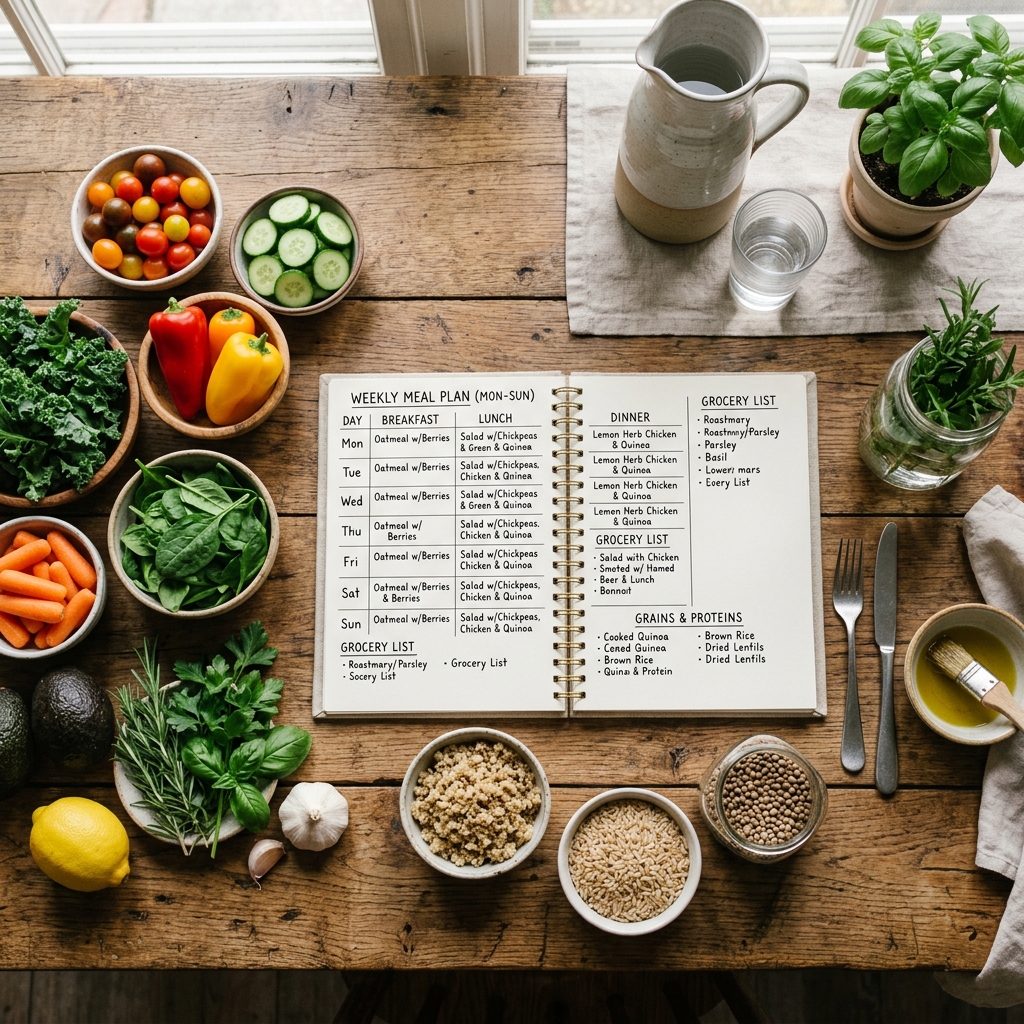
The thought of preparing meals for an entire week can feel overwhelming, especially when you are trying to keep grocery costs low. However, learning how to meal plan for a week on a budget is one of the most effective strategies for saving money, reducing stress, and ensuring you eat healthier, home-cooked meals. Without a plan, it’s easy to fall into the trap of ordering expensive takeout or throwing away spoiled produce that you bought without a specific purpose. By taking an hour or two each week to strategize your meals, you can transform your relationship with food and your finances.
A successful budget-friendly meal plan doesn’t require complex recipes or spending hours in the kitchen every night. It relies on smart shopping, intentional ingredient usage, and a little bit of preparation. The goal is to maximize the ingredients you purchase, minimize waste, and create a menu that is both satisfying and economical. In this guide, we’ll walk you through a step-by-step process to build a weekly meal plan that respects your budget while keeping your taste buds happy.
Step 1: Take Inventory and Find Inspiration
Before you even think about writing a grocery list or picking out recipes, you need to know what you already have. This is the golden rule of budget meal planning. The food currently sitting in your pantry, refrigerator, and freezer represents money already spent. By building your plan around these items, you immediately reduce the amount of new groceries you need to purchase.
Raid Your Pantry and Fridge
Start by taking a thorough inventory of your kitchen. Look for staple grains like rice, pasta, or oats, as well as canned goods such as beans, tomatoes, or tuna. Don’t forget to check the freezer for proteins, frozen vegetables, or leftover meals you might have forgotten about. A well-organized fridge is key; learn how to organize your refrigerator to prevent food waste. Make a quick list of these items. This inventory will serve as the foundation of your weekly menu. If you have half a bag of lentils and some carrots, you’re already halfway to a hearty lentil soup!
Find Budget-Friendly Recipes
Once you know what ingredients you have on hand, use them as search terms to find budget-friendly recipes. Look for meals that are naturally inexpensive, such as vegetarian dishes built around beans and lentils, or meals that use affordable cuts of meat like chicken thighs or pork shoulder. Stock up on pantry essentials for quick meals to make cooking easier. Keep a running list of your favorite cheap, easy meals so you always have go-to options when planning feels tedious. Remember to keep it simple; not every dinner needs to be a culinary masterpiece.
Step 2: Build a Strategic Menu
Now that you have your inventory and some recipe ideas, it’s time to build the actual plan. A strategic menu is one that cross-utilizes ingredients to ensure nothing goes to waste. If you buy a bunch of fresh cilantro for tacos on Tuesday, plan to make a curry that uses the rest of the cilantro on Thursday.
The Art of Ingredient Crossover
When planning your meals, try to choose recipes that share similar ingredients, particularly when it comes to perishables like fresh produce and herbs. For example, a large head of cabbage can be used for a stir-fry, a batch of coleslaw, and a warming soup throughout the week. This not only saves money by preventing spoilage but also simplifies your grocery shopping.
Plan for Leftovers and “Lazy Nights”
Be realistic about your schedule and energy levels. It’s unlikely you will want to cook a full meal from scratch every single night. Strategically plan for leftovers by doubling the recipe for a dinner early in the week, ensuring you have an easy lunch or a ready-made dinner for a busier evening. Additionally, always designate one night as a “lazy night”, a planned evening for something incredibly simple, like eggs on toast or a pantry pasta, to prevent the temptation of ordering emergency takeout when you’re exhausted.
Step 3: Master the Grocery Store
The grocery store is where your budget can quickly unravel if you aren’t careful. Armed with your strategic meal plan, you need to navigate the aisles with discipline. A well-structured grocery list is your best defense against impulse buys and marketing tactics designed to make you spend more.
Write a Strict Grocery List
Based on your meal plan, write a detailed grocery list, categorized by the layout of your store (produce, dairy, meat, dry goods). This makes shopping faster and prevents you from wandering aimlessly. Above all, stick to the list. If an item isn’t on the list, it doesn’t go in the cart. The only exception should be if a staple item (like rice or cooking oil) is significantly marked down and you know you will use it.
Shop Smart and Buy Generic
When selecting items, pay attention to the unit price (the cost per ounce or pound) rather than just the retail price, as this reveals the true value of the product. Don’t be afraid to buy generic or store-brand products, which are often produced in the same facilities as name brands and offer identical quality at a fraction of the cost. Additionally, consider buying certain items in bulk if they are non-perishable and you use them frequently, but only if the unit price is genuinely lower.
Step 4: Prep Ahead for Success
You’ve planned the meals and bought the groceries; the final step to ensuring your budget meal plan succeeds is execution. Preparing some components ahead of time can make a massive difference in whether you actually cook the planned meals or give up and order food when Wednesday evening rolls around.
Spending an hour on Sunday washing and chopping vegetables, cooking a large batch of grains (like quinoa or brown rice), or marinating proteins can drastically reduce cooking time during the busy workweek. Even simply organizing your fridge so that the ingredients for Monday’s dinner are front and center can provide the momentum needed to stick to your plan. Meal prep doesn’t mean you have to cook everything in advance; it simply means setting your future self up for success.
Frequently Asked Questions
How do I stick to my meal plan when I’m too tired to cook?
The best way is to anticipate those days. Plan for “lazy meals” that require minimal effort, or use your freezer by preparing double batches of soups or stews on weekends. Having a backup plan that doesn’t involve spending extra money is crucial.
Is it cheaper to eat vegetarian when meal planning?
Generally, yes. Plant-based proteins like beans, lentils, and chickpeas are significantly cheaper per serving than meat. Incorporating two or three meatless days into your weekly meal plan can substantially lower your grocery bill.
How can I make my fresh produce last longer?
Proper storage is key. Store leafy greens with a paper towel to absorb moisture, keep potatoes and onions in a cool, dark place (but separate from each other), and wait to wash berries until right before you eat them.
What should I do if a recipe calls for an expensive ingredient?
Learn to substitute. If a recipe calls for pine nuts, use cheaper sunflower seeds or walnuts. If it calls for fresh herbs you won’t finish, see if dried herbs will work instead. Don’t be afraid to tweak recipes to fit your budget.
Can I meal plan for breakfast and lunch too?
Absolutely! In fact, planning your lunches (especially using leftovers) is one of the easiest ways to save money during the workweek. For breakfast, plan simple, repeatable meals like oatmeal or yogurt to keep costs low.
Ready to Transform Your Kitchen Habits?
Meal planning is just the beginning of a more organized, less wasteful kitchen. Take control of your ingredients, track your pantry inventory, and discover zero-waste recipes with our smart meal planner.