Pantry Essentials: 10 Dry Ingredients to Always Stock for Quick Meals
Published Date:
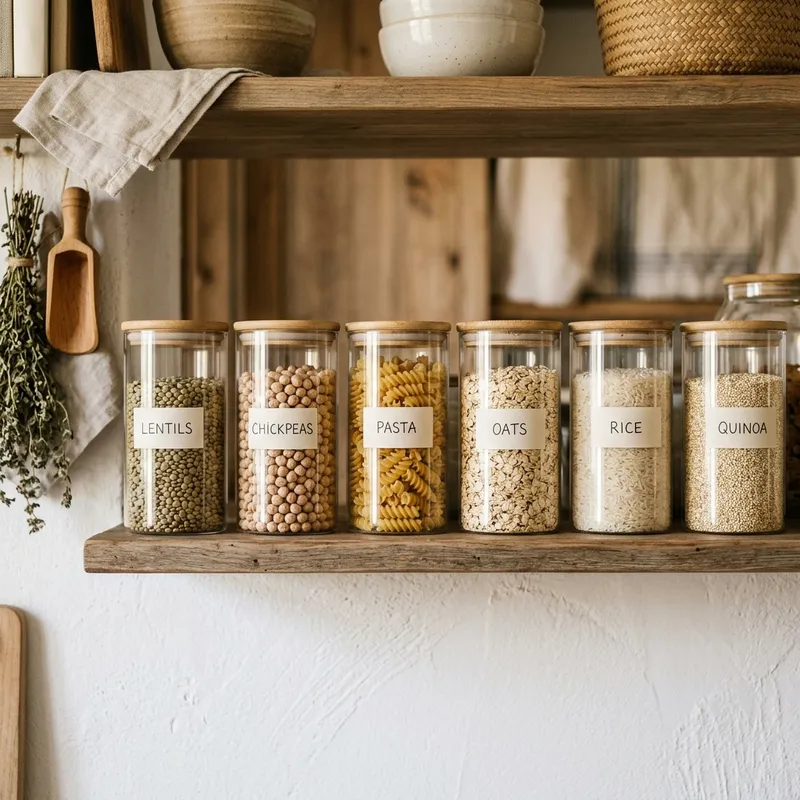
Cooking healthy, homemade meals doesn’t require a daily trip to the grocery store, nor does it require a refrigerator overflowing with highly perishable items. In fact, one of the easiest ways to reduce food waste, save money, and cut down your evening cooking time is by keeping a well-stocked pantry. Having versatile, shelf-stable dry ingredients on hand means you can always whip up a delicious meal in 15 minutes, even on days when your fridge is completely empty.
Our smart cooking assistant Tarif suggests stocking up on a specific set of non-perishable ingredients that can be mixed and matched endlessly. By understanding what to buy and how to combine it, you will never have to resort to expensive, unhealthy takeout just because you haven’t been to the supermarket in a week.
Why a Well-Stocked Pantry Prevents Food Waste
Food waste usually occurs when we buy highly perishable ingredients (like fresh spinach or raw poultry) with the best of intentions, but then get too tired to cook them before they spoil. When you build your meals around pantry staples, you drastically reduce this pressure.
Pantry ingredients like dried lentils, canned beans, and whole grains can sit safely on a shelf for months or even years without losing their nutritional value. When these form the base of your diet, you only need to buy small amounts of fresh produce to complement them. This means you use everything you buy before it rots. A well-stocked pantry also acts as a safety net. If you have leftover vegetables that are about to go bad, you can easily throw them into a quick lentil stew or a pasta dish, effectively saving them from the garbage bin while creating a completely new meal.
Step-by-Step Solution: The 10 Non-Negotiable Pantry Essentials
You do not need a massive walk-in pantry to cook great food. You just need the right ingredients. Here are the 10 essential dry goods you should always keep stocked in your kitchen.
The Protein Powerhouses
Proteins are essential for keeping you full and satisfied. While fresh meat goes bad quickly, these shelf-stable options are always ready.
- Lentils & Chickpeas: These are high-protein, high-fiber legumes that require absolutely no refrigeration. Dried lentils cook in just 20 minutes (no soaking required) and are perfect for thickening soups or acting as a meat substitute in bolognese sauce. Canned chickpeas can be roasted for a crunchy snack, mashed into hummus, or tossed straight into a salad.
- Canned Tuna or Salmon: A highly nutritious, shelf-stable protein source rich in Omega-3 fatty acids. Canned fish can instantly turn a simple bowl of rice or a basic green salad into a complete, balanced meal. Opt for fish packed in olive oil for better flavor and healthier fats.
- Nuts and Seeds (Chia & Flaxseeds): Perfect for adding crunch, healthy fats, and fiber to any meal. Sprinkle them over morning oatmeal, blend them into smoothies, or toast them to garnish a savory dinner bowl.
The Complex Carbohydrates
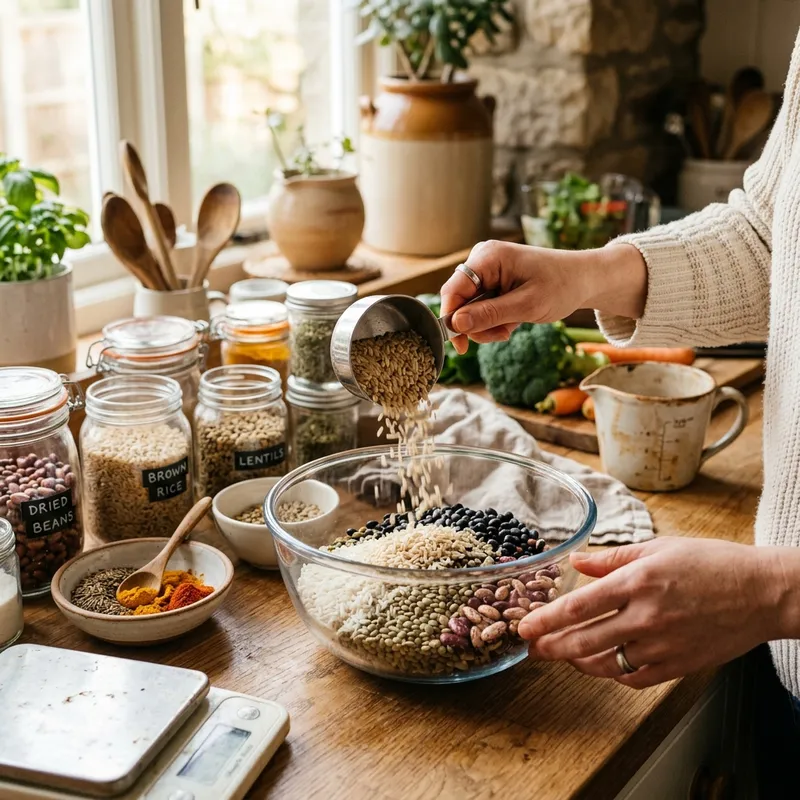
Carbohydrates are the foundation of quick meals. They provide energy and serve as a blank canvas for your spices and proteins. 4. Brown Rice & Quinoa: These are nutrient-dense, gluten-free grains that pair beautifully with almost any vegetable or protein. Quinoa, in particular, is a complete protein on its own and cooks in just 15 minutes. 5. Whole Wheat or Chickpea Pasta: A quick, comforting base for speed meals. Modern alternative pastas made from chickpeas or red lentils offer a massive protein boost compared to traditional white flour pasta. 6. Rolled Oats: The ultimate breakfast staple. Oats are incredibly cheap, last forever, and are excellent for overnight breakfast bowls, healthy baking, or even acting as a binder for vegetarian meatballs instead of using stale bread solutions.
The Flavor Builders
A pantry full of grains and beans is useless if you cannot make them taste good. These ingredients provide the crucial flavor profiles that bring dry dishes to life. 7. Canned Diced Tomatoes: The undisputed king of the pantry. A simple can of tomatoes is the starter for marinara sauces, Indian curries, Mexican chilis, and hearty winter stews. Always keep at least three cans on hand. 8. High-Quality Extra Virgin Olive Oil: Crucial for sautéing vegetables, creating homemade salad dressings, and adding a rich mouthfeel to finished dishes. Never compromise on olive oil; a good bottle makes even plain pasta taste luxurious. 9. Vegetable or Chicken Stock Cubes: Water can make a soup or grain bowl taste incredibly bland. Dropping a stock cube into the cooking water instantly adds depth, salt, and complex umami flavor to grains and soups. 10. Garlic & Onion Powder: When you run out of fresh onions and garlic, or simply don’t have the time to peel and chop them, these simple spices bring dry dishes to life. They are the backbone of almost every savory recipe.
How to Build a Meal Exclusively from the Pantry
The magic of these 10 ingredients is how easily they combine into complete meals without requiring a recipe. Using just your pantry, you can make a 15-Minute Mediterranean Chickpea Salad:
- Open, drain, and rinse a can of chickpeas.
- Toss the chickpeas in a bowl with a generous glug of olive oil and a splash of vinegar or lemon juice if you have it.
- Season heavily with garlic powder, salt, and pepper.
- Mix in half a cup of cooked quinoa for extra texture and protein.
- Optional: If you have followed our guide on how to organize your refrigerator to prevent food waste, grab any wilting vegetables from your “Eat Me First” bin and toss them in. This meal is filling, cheap, and creates zero waste!
Prevention: How to Rotate and Store Dry Goods
While pantry staples have a long shelf life, they do not last forever. Nuts, seeds, and olive oil contain natural fats that can eventually go rancid if exposed to too much heat or light. Always store your pantry essentials in a cool, dark cupboard away from the stove or oven.
To prevent pests like pantry moths and to keep your ingredients fresh, transfer dry goods like rice, lentils, and pasta out of their flimsy plastic packaging and into airtight glass or hard plastic containers. Finally, practice the “First In, First Out” (FIFO) method: when you buy a new bag of oats, pour it into the bottom of the container and push the older oats to the top so they get consumed first.
When to Seek More Help or Watch for Edge Cases
If you live in a highly humid climate, keeping dry goods truly “dry” can be a challenge. In very humid environments, brown rice and whole wheat flour can spoil quickly due to their higher natural oil content compared to refined white grains. If your kitchen gets extremely hot and sticky during the summer months, consider storing your nuts, seeds, and whole grains in the refrigerator or freezer to dramatically extend their shelf life and prevent rancidity. Additionally, if a canned good in your pantry is severely dented along the seam, rusting, or bulging at the top, discard it immediately, as these are signs of dangerous bacterial contamination like botulism.
Quick Summary
- A well-stocked pantry prevents food waste by allowing you to build meals around non-perishable bases, reducing the need for easily spoiled fresh produce.
- Stock protein powerhouses like lentils, chickpeas, and canned fish for instant, satisfying meals.
- Keep versatile complex carbohydrates like quinoa, whole wheat pasta, and oats on hand for quick energy.
- Flavor builders are mandatory; canned tomatoes, olive oil, and stock cubes turn dry grains into gourmet meals.
- Store dry goods in airtight containers in a cool, dark place to prevent pests and rancidity.
- Move natural fats (nuts, seeds) to the fridge if you live in a hot, humid climate to prevent spoilage.
Frequently Asked Questions
Do canned beans need to be cooked before eating?
No, canned beans (like chickpeas, black beans, and kidney beans) are fully cooked during the canning process. They can be eaten straight out of the can. However, it is highly recommended to rinse them under cold water first to remove excess sodium and the starchy canning liquid, which can cause digestive discomfort.
How can I tell if my olive oil has gone rancid?
Rancid olive oil will have a distinct, unpleasant smell similar to crayons, old putty, or stale nuts. It will also taste greasy and flat rather than peppery or fruity. To prevent this, store olive oil in a dark glass bottle away from heat sources like the stove.
Are canned vegetables as healthy as fresh ones?
Yes, canned vegetables (like tomatoes) are often canned within hours of being harvested, meaning their nutrients are locked in at peak ripeness. In fact, the heating process involved in canning actually increases the availability of lycopene, a powerful antioxidant found in tomatoes. Just be sure to check the label and avoid brands with excessive added sugars or sodium.
How long does cooked quinoa or rice last in the fridge?
Cooked grains typically last for 4 to 5 days in an airtight container in the refrigerator. However, rice is particularly susceptible to a bacteria called Bacillus cereus. To ensure safety, always cool cooked rice quickly (within an hour) and store it in the fridge immediately, rather than leaving it out at room temperature for long periods.
Can I substitute lentils for ground meat in recipes?
Absolutely. Brown or green lentils are an excellent, highly nutritious substitute for ground beef in recipes like bolognese sauce, shepherd’s pie, or sloppy joes. They have an earthy flavor and a dense texture that mimics ground meat perfectly when cooked in a savory broth or tomato sauce.
Cook Zero-Waste and Plan Smart with Tarif!
Not sure what to cook with the random ingredients in your kitchen? Download the Tarif app. Our smart AI meal planner scans your pantry, suggests creative recipes to prevent food waste, and generates automated shopping lists. Download Tarif App Now and master the art of zero-waste cooking!