Bread Waste Solutions: Creative Recipes to Salvage Stale Bread
Published Date:
Bread is one of the most commonly wasted food items in households worldwide. We often buy a fresh, aromatic loaf from the bakery, eat half of it over a couple of days, and let the rest sit on the counter until it becomes dry, hard, and seemingly inedible. When bread reaches this rock-hard stage, the instinct is to toss it straight into the garbage bin. But in the culinary world, stale bread is not bad bread, in fact, it is the absolute perfect base for many delicious, classic recipes that specifically require a drier texture to absorb liquids and flavors without turning to mush.
Instead of throwing away stale bread, you can easily turn it into gourmet meals, thereby reducing your grocery budget, minimizing your household environmental footprint, and stretching your food dollars.
Why Stale Bread Is a Culinary Asset, Not Trash
To understand why stale bread is so useful, it helps to understand the science of what happens when bread ages. Bread goes stale through a process called starch retrogradation. Moisture doesn’t just evaporate into the air; the starch molecules actually crystallize and trap the moisture within the bread’s structure, causing it to feel dry and brittle.
This structural change is exactly why stale bread is superior to fresh bread for certain recipes. Fresh, soft bread is like a sponge that is already full of water, if you dip it into a liquid batter, it will immediately disintegrate and turn into a soggy paste. Stale bread, on the other hand, is a dry, empty sponge. It can absorb incredible amounts of seasoned broths, rich custards, and olive oil while maintaining its structural integrity. Historically, cuisines around the world, from Italian peasant dishes to classic French desserts, were built entirely around the concept of salvaging day-old bread.
Step-by-Step Solution: Gourmet Recipes for Stale Bread
Before you throw away that dry baguette or hardened sourdough, try one of these zero-waste solutions curated by our smart kitchen assistant Tarif.
Classic French Toast (The Weekend Favorite)
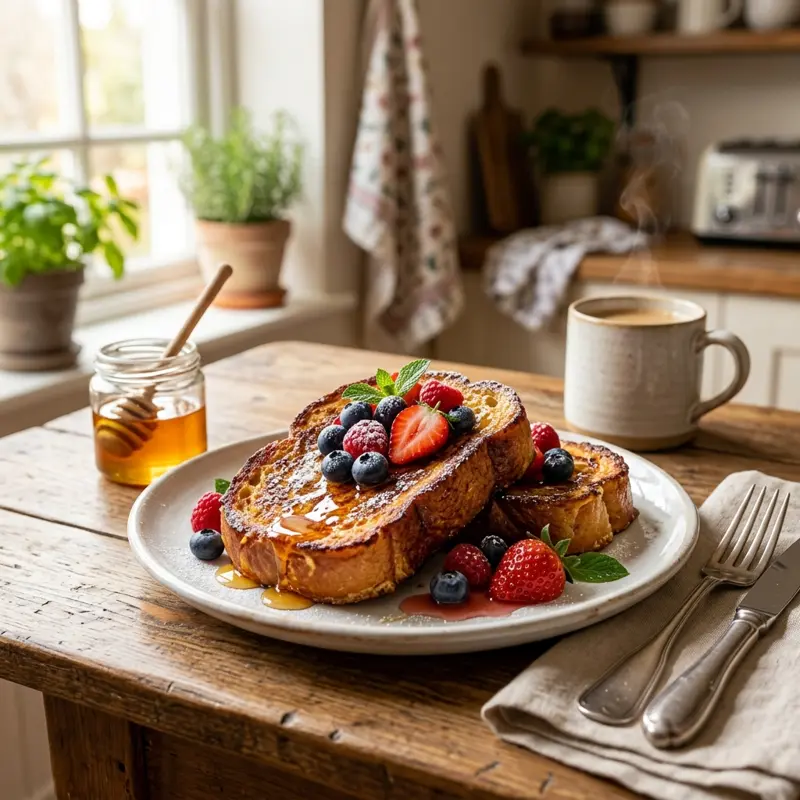
Stale bread is the undisputed secret to restaurant-quality French toast. If you use fresh bread, the center remains gummy and wet while the outside burns. Stale bread absorbs the custard deeply but holds its shape, yielding a crisp exterior and a creamy, pudding-like center.
- The Process: Whisk together 3 eggs, 1 cup of milk, 1 teaspoon of cinnamon, and a splash of pure vanilla extract. Dip thick slices (about 2 cm) of your stale bread into the mixture, letting them soak for 30 seconds per side. Fry them in a generously buttered skillet over medium heat until deeply golden brown and caramelized. Serve immediately with a drizzle of real maple syrup or fresh berries.
Crispy Homemade Croutons
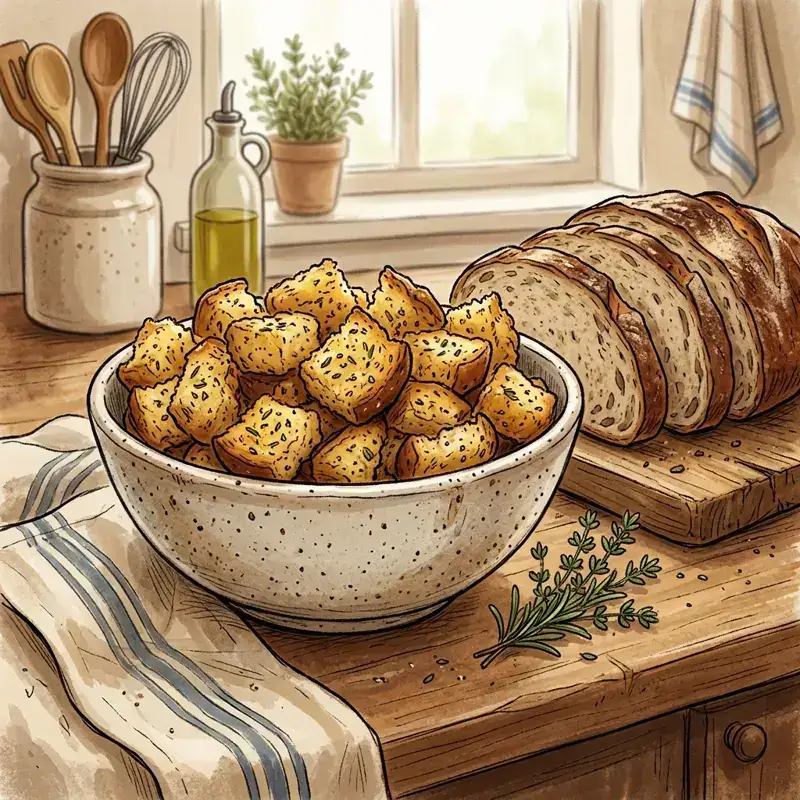
Store-bought croutons, often loaded with preservatives, cannot compare to the warm, heavily seasoned crunch of homemade ones. This is the fastest way to use up half a loaf of stale bread.
- The Process: Cut the stale bread into bite-sized cubes. Toss them in a large mixing bowl with a generous glug of olive oil, salt, garlic powder, and dried herbs from your pantry essentials for quick meals (like oregano or thyme). Spread them in a single layer on a baking sheet and bake at 180°C (350°F) for 10-15 minutes until crispy and golden. Toss them into Caesar salads or float them on top of creamy soups.
Savory Bread Pudding (Strata)
A strata is an excellent, low-effort way to clean out your fridge. It transforms stale bread and random leftover vegetables into a cohesive, comforting casserole that works beautifully for dinner or Sunday brunch.
- The Process: Generously butter a baking dish and layer it with cubed stale bread. In a separate bowl, whisk together 6 eggs, 1.5 cups of milk, salt, pepper, and a pinch of nutmeg. Mix in whatever leftovers you have: wilting spinach, chopped bell peppers, leftover ham, and a hefty handful of grated cheese. Pour the liquid mixture over the bread and let it sit in the fridge for at least an hour (or overnight) to soak. Bake at 190°C (375°F) for 35-40 minutes until the top is puffed and golden brown.
Golden Homemade Breadcrumbs
Stop buying expensive, cardboard-textured packaged breadcrumbs when you can make vastly superior ones for free at home.
- The Process: Slice your stale bread and bake it at a very low temperature (around 120°C/250°F) for 20 minutes until it is completely dried out and brittle. Once cooled, pulse the slices in a food processor until they reach a fine, sandy texture. Store these crumbs in an airtight jar in your pantry. Use them for breading chicken cutlets, coating baked fish, or mixing into meatballs to keep them tender.
Panzanella (Italian Bread Salad)
Panzanella is a classic Tuscan salad specifically designed to use up rock-hard bread by rehydrating it with tomato juices and vinaigrette.
- The Process: Tear stale bread into chunks and toast them lightly in the oven. In a large bowl, combine the bread with roughly chopped ripe tomatoes, cucumber, red onion, and fresh basil. Dress heavily with a vinaigrette made of olive oil, red wine vinegar, minced garlic, and salt. Let the salad sit at room temperature for 30 minutes before serving, allowing the bread to soak up the tomato juices and dressing without losing its chew.
Prevention: How to Store Bread Properly to Avoid Staleness
While having stale bread is great for the recipes above, you generally want your fresh bread to stay soft for everyday sandwiches. The most common mistake people make is storing their bread in the refrigerator.
As explained in our guide on how to organize your refrigerator to prevent food waste, the cold environment of a fridge actually accelerates the starch retrogradation process, making bread go stale up to six times faster than it would at room temperature. To keep bread fresh, store it in a bread box, a paper bag, or a sealed plastic bag on your kitchen counter away from direct sunlight. If you cannot finish a loaf within three days, the best preservation method is to slice it and freeze it immediately. Slices can go straight from the freezer into the toaster without losing any structural integrity or flavor.
When to Seek More Help or Watch for Edge Cases
There is a critical difference between bread that is stale and bread that is moldy. Stale bread is simply dry and hard, completely safe to eat, and perfect for the recipes above. Moldy bread, characterized by fuzzy green, white, or black spots, is a serious food safety hazard.
Do not attempt to cut off the moldy section and eat the rest of the slice. Bread is highly porous, meaning the microscopic root threads of the mold (mycelium) penetrate deep into the loaf far beyond what is visible on the surface. Some molds produce mycotoxins that can cause severe allergic reactions and respiratory issues. If you spot even a single speck of mold on a slice of bread, the entire loaf must be discarded immediately.
Quick Summary
- Stale bread is not trash; its dry texture makes it the perfect sponge for absorbing flavors and liquids in cooking.
- Use stale bread for French toast to get a creamy center and crisp exterior without sogginess.
- Make homemade croutons and breadcrumbs to save money on expensive, preservative-laden pantry staples.
- Bake a savory strata (bread pudding) to use up leftover vegetables and cheese sitting in your fridge.
- Never store fresh bread in the refrigerator, as the cold temperature accelerates the staling process rapidly.
- Discard the entire loaf if you see mold; you cannot safely cut mold off porous baked goods.
Frequently Asked Questions
Can I soften stale bread if I just want to eat a regular sandwich?
Yes. If the bread is only slightly stale and not completely hard, you can revive it. Run the crust of the bread very quickly under cold tap water (do not soak it), then place it in a 180°C (350°F) oven for 5-7 minutes. The water will turn to steam in the hot oven, rehydrating the interior crumb while crisping up the crust.
Why do some breads go stale faster than others?
Breads made with commercial yeast, refined white flour, and no added fats (like a classic French baguette) will go stale within 24 hours. Breads enriched with fats like butter, oil, or milk (such as brioche or sandwich loaves) retain moisture much longer. Sourdough breads naturally resist staling longer due to their acidity.
How long do homemade breadcrumbs last in the pantry?
If the bread was completely dried out in the oven before processing, homemade breadcrumbs will last for up to a month in an airtight container at room temperature. For longer storage, keep them in the freezer for up to six months and use them directly from frozen.
Can I use stale bread that has become completely rock hard?
Yes, rock-hard bread is perfect for making breadcrumbs or for grating over pasta dishes (often called “poor man’s parmesan” in Italy). However, it may be too tough for French toast or bread pudding, as it will struggle to absorb the custard even if soaked overnight.
What is the best way to freeze fresh bread?
The best method is to slice the bread while it is still fresh, place small pieces of parchment paper between the slices so they don’t stick together, and store them in a heavy-duty freezer bag with as much air squeezed out as possible. You can then toast individual slices whenever needed.
Prevent Food Waste and Save Money with Tarif!
Tired of seeing groceries go to waste? Download the Tarif app. Tarif allows you to input whatever leftovers and dry ingredients you have in your kitchen, automatically generating smart, zero-waste recipes without requiring extra trips to the store. Download Tarif App Now and start cooking sustainably!